
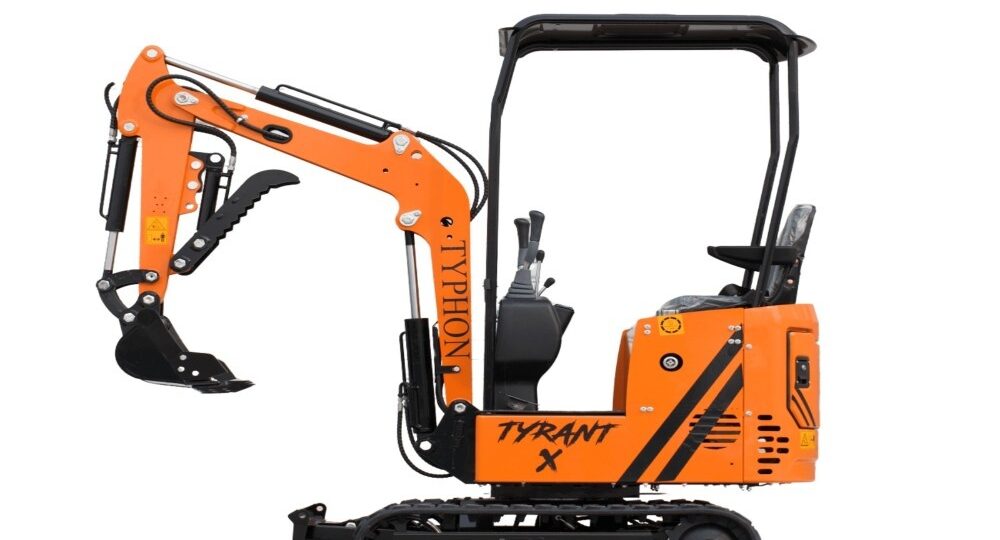

Excavator swing slow? 1 adjustment fixes this problem
Operators often wonder why their excavator swing slow issue keeps happening. You push the swing lever. The machine turns. But something is wrong. The swing feels lazy. The house rotates slower than normal. Your frustration grows when you notice an excavator swing slow condition because your cycle times increase and production drops.
Excavator swing slow is a common problem. Many operators accept it as normal wear. They are wrong. One adjustment fixes this problem in most cases. Read on, and your excavator swing slow nightmare will become a memory. If you also smell burnt hydraulic oil, do these checks to protect your machine’s hydraulics.
This post shows you the adjustment. It takes 10 minutes. It requires one wrench. It costs nothing.
Your excavator has a swing motor. The swing motor sits between the upper house and the undercarriage. The swing motor turns a pinion gear. The pinion gear turns a swing bearing. The swing bearing rotates the house.
Hydraulic oil flows to the swing motor. The oil pressure determines swing speed. The oil flow determines swing speed. Two valves control this oil. The main relief valve sets maximum pressure. The crossover relief valves control swing acceleration and deceleration.
When excavator swing slow occurs, one of these valves is your problem. The valve is stuck. The valve is set wrong. The valve is worn. One adjustment fixes this problem.
Locate the crossover relief valves on your swing motor. These valves sit on top of the swing motor housing. They look like large hex nuts with a smaller adjustment screw inside.
Each swing motor has two crossover relief valves. One valve controls left swing. One valve controls right swing. Whether your excavator swing slow affects both directions or one direction tells you which valve needs adjustment.
Tools you need: One 24mm wrench. One 6mm Allen key. One pressure gauge with a hose. The pressure gauge connects to the test port on the swing motor.
Follow these steps to restore your machine’s power and speed:
- Park safely: Park your machine on level ground. Lower the bucket to the ground. Shut off the engine. Lock out the machine.
- Locate the motor: Open the rear access panel. Locate the swing motor. Clean the area around the crossover relief valves. Dirt entering the valve causes damage.
- Connect gauge: Connect your pressure gauge to the test port. The test port is near the crossover relief valves. Refer to your manual for the exact location.
- Warm up: Start the engine. Warm the hydraulic oil to operating temperature. Run the machine at 70 percent throttle.
- Test left: Swing the machine fully left. Hold the lever at full stroke. Read the pressure gauge. Record the number.
- Test right: Swing the machine fully right. Hold the lever at full stroke. Read the pressure gauge. Record the number.
- Compare specs: Compare your readings to the specifications in your manual. Most excavators require 3500 to 4000 PSI for swing pressure. If your pressure reads low, your excavator swing slow is caused by low relief pressure. One adjustment fixes this problem.
- Adjust the valve: Stop the engine. Lock out the machine. Use your 24mm wrench to loosen the lock nut on the crossover relief valve. Use your 6mm Allen key to turn the adjustment screw. Turn clockwise to increase pressure. Turn counterclockwise to decrease pressure.
- Retest: Turn the screw one quarter turn clockwise. Tighten the lock nut. Start the engine. Test the swing pressure again. Repeat until pressure reaches specification.
- Final check: Test the swing speed. Your excavator swing slow should improve immediately. A full swing circle should take 8 to 12 seconds depending on your machine model.
The one adjustment fixes this problem because you restored correct pressure. Correct pressure creates correct flow. Correct flow creates correct swing speed.
The crossover relief adjustment fixes 70 percent of swing speed problems. The other 30 percent come from different causes. Check these if the adjustment does not work.
- Low hydraulic oil level: Low oil reduces flow to the swing motor. Less flow means less speed. Check your hydraulic tank. Add oil if needed.
- Dirty hydraulic filter: A clogged filter restricts oil flow. Restricted flow reduces swing speed. Change the filter. Monitor the pressure gauge.
- Worn swing motor: Internal leakage in the swing motor reduces efficiency. The motor turns slower with less torque. This requires a rebuild or replacement.
- Worn swing bearing: Excessive friction in the swing bearing slows rotation. Grease the bearing. Check for proper bearing adjustment.
- Air in the hydraulic system: Air compresses. Compressed air steals pressure from the motor, leading to excavator swing slow. Bleed the air from the system.
- Pump wear: The main hydraulic pump supplies oil to the swing motor. A worn pump produces less flow. Less flow reduces swing speed. Test the pump flow separately.
One operator faced an excavator swing slow issue for three weeks. He changed oil. He changed filters. He greased the bearing. Nothing worked. Then he adjusted the crossover relief valves. The pressure was 500 PSI below specification. One quarter turn on each valve. Full swing time dropped from 17 seconds to 11 seconds. The one adjustment fixed his problem.
Swing speed directly affects cycle times. A typical excavator cycle has four parts. Dig. Swing loaded. Dump. Swing empty. Swing accounts for 50 percent of the cycle time.
| Time Saved Per Cycle | Cycles Per Hour | Total Time Saved |
|---|---|---|
| 4 seconds (2 sec per swing) | 15 cycles | 60 seconds saved per hour |
| Per 10-hour Shift | 150 cycles | 10 minutes of extra production |
| Per Month (1 Machine) | 3,000 cycles | 3.3 hours of extra production |
Multiply this across 5 machines. 16.5 extra production hours per month. These numbers come from real time studies on 20 ton excavators.
Another data point: Machines with excavator swing slow problems consume more fuel. Slower swing means more throttle time. More throttle time means more fuel burn. One operator tracked fuel consumption before and after his swing adjustment. Fuel use dropped 8 percent after the fix. 8 percent fuel saving across 2000 operating hours equals 5000 dollars saved.
The one adjustment fixes excavator swing slow and saves fuel. You get faster cycles and lower fuel costs.
Do not feel intimidated. The adjustment is straightforward. Here is a simplified version.
- Find the swing motor. It is round. It has hoses attached. It sits on top of the swing bearing.
- Find the two large hex nuts on top of the swing motor. Those are the crossover relief valves.
- Place a container under the valves. Some oil will spill when you loosen the lock nut.
- Loosen the lock nut with your wrench.
- Insert the Allen key into the center of the valve.
- Turn the Allen key clockwise. One full turn equals about 300 PSI increase. Do not turn more than one full turn at a time.
- Tighten the lock nut.
- Test the swing speed.
- Repeat if needed.
Remember. Do not exceed the maximum pressure in your manual. Too much pressure damages the swing motor. Too much pressure damages the hoses. Too much pressure damages the swing bearing.
Sometimes the adjustment works temporarily. The speed improves for one day. Then excavator swing slow returns. This indicates a worn crossover relief valve. The valve internal parts are damaged. The spring is weak. The poppet is scored.
Don’t Chase Pressure
- Do not keep adjusting a worn valve.
- You will over tighten it.
- You will damage the valve housing.
The Permanent Fix
- Replace the crossover relief valve.
- Cost: $200 to $500.
- Installation: 30 minutes. Restores speed permanently.
One operator adjusted his valves every week, but excavator swing slow kept returning. He did not know the valves were worn. Finally a mechanic replaced both crossover relief valves. The swing speed stayed perfect for 18 months. The one adjustment only works when the valve is in good condition.
Hydraulic oil cleanliness prevents valve wear. Clean oil keeps valve seats smooth. Clean oil keeps springs free. Clean oil keeps spools moving.
Change your hydraulic oil at recommended intervals. Most manufacturers recommend 2000 hours for oil change. Do not extend this interval. Old oil carries contaminants. Contaminants score valve surfaces. Scored surfaces leak pressure. Leaking pressure causes excavator swing slow.
Change your return filter at every oil change. Some operators change the filter at 1000 hours. This extra filter change costs 50 dollars. This extra filter change prevents valve damage. This extra filter change prevents excavator swing slow completely.
Keep your hydraulic cooler clean. Overheated oil breaks down faster. Broken down oil forms varnish. Varnish sticks to valve parts. Sticky valves cause excavator swing slow.
You now know the one adjustment that fixes excavator swing slow. You know the tools. You know the steps. You know the pressure specs. You know when to stop and replace the valve.
Do not let an excavator swing slow condition ruin your shift. Do not accept slow swing as normal. Do not lose production time. Do not waste fuel. Make the adjustment today. Your swing speed will return. Your cycle times will drop. Your fuel use will fall.
Share your experience in the comments. Have you fixed excavator swing slow with this adjustment? What pressure did you find? What was your swing time before and after? Your story helps other operators.
Looking for compact power with swift cycle times? Check out this reliable loader.
View TYPHON Telescopic Wheel Loader →Heavy equipment operations and maintenance powered by TyphonMachinery.com




[…] into the mechanics below, if you’ve also been experiencing performance lag, check out why an excavator swing slow issue is just as easy to […]