

11 Fuel Saving Tips for Mini Construction Equipment That Actually Work
- Stop Leaving Machines Running
- Warm Up Right, Not Long
- Use Eco Mode More Than You Think
- Right-Size Your Equipment
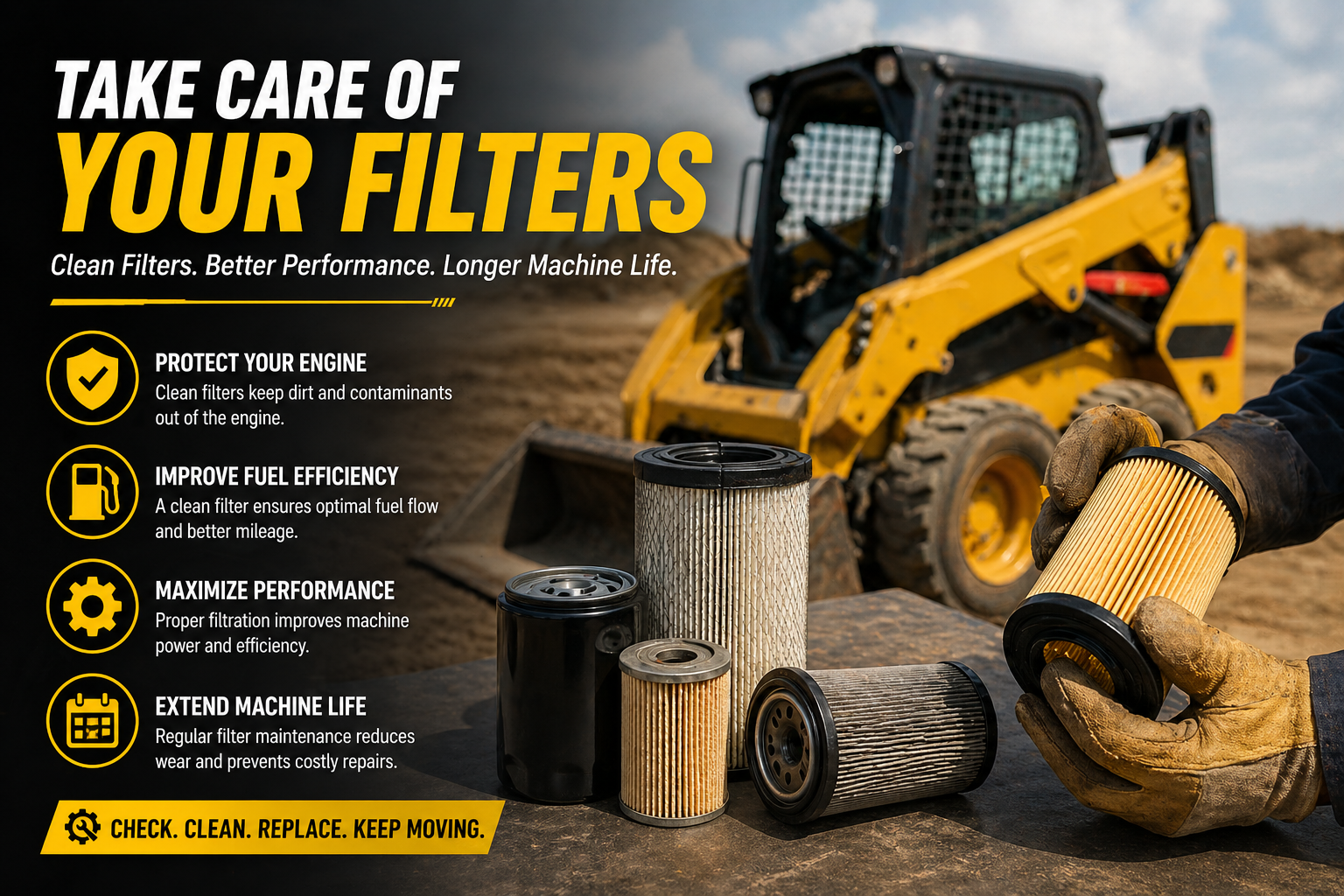
- Take Care of Your Filters
- Check Track Tension Weekly
- Watch How Your Operators Run the Machine
- Bad Habits That Burn Extra Fuel
- Plan the Day Before Machines Start
- Pull Your Telematics Data
- Buy Fuel in Bulk
- Fuel Cost Comparison
- What You Lose & What You Gain
Running compact equipment gets expensive fast. Fuel costs eat into your margin before you even finish a job. I have seen contractors lose hundreds of dollars a week just from bad habits on the job site. Most of it is avoidable.
If you run a mini skid steer or compact tracked machine, these tips apply directly to your operation. Here is what actually makes a difference.
This is the biggest one. Walk any job site and you will find machines idling during lunch, during breaks, while operators stand around chatting. A mini excavator consumes 1.5 gallons per hour at idle. That adds up to 12 gallons across an 8-hour day if no one is handling it half that time. At $4 a gallon, that is $48 gone. Every day. Five days a week, that is $240 wasted for nothing.
Shut it off after 5 minutes of no use. Make it a rule. No exceptions. This single habit saves more than any other change you can make.
Cold machines need warm-up time. Give it 3 to 5 minutes before you put the machine under load. That is enough. Operators who let machines idle for 20 or 30 minutes thinking more is better are burning money for no reason. Five minutes and you are ready to work.
Modern diesel engines warm up quickly. Excessive idling at startup does not protect the engine. It only costs you money at the pump every time.
Most guys ignore eco mode. That is a mistake. On lighter tasks like backfilling or distributing material on balanced ground, eco mode on machines like the Kubota U35 or Bobcat E35 decreases fuel consumption by 10 to 20 percent. You will not notice any difference in how the work gets done.
Switch back to full power for heavy digging or breaking. But for everything else, try eco mode for a week and check your consumption numbers. The savings will surprise you.
A 6-ton excavator doing light cleanup work consumes far more than a 2-ton machine on the same job. Before you pull equipment, look at what the task actually requires. Bringing a bigger machine just because it is available costs you money every hour it runs.
Match machine size to job size. A compact 1.5-ton skid steer handles most landscaping, trenching, and light site prep at a fraction of the running cost of a full-size machine.
A clogged air filter makes your engine work harder to breathe. A dirty fuel filter starves the injection system. Both increase consumption every hour the machine runs without you even knowing it.
Air filter checks every 250 hours under normal conditions. On dusty sites, check every 100 hours. Filter service goes by your manual schedule. A $30 filter change saves you more than that in a single month of operation.
Quick Rule: If your machine is working harder than usual on the same tasks, check your filters first. A blocked air filter alone can increase fuel consumption by 5 to 10 percent.
Loose tracks drag and slip. Your machine burns more pushing against resistance that should not be there. Tight tracks wear out your undercarriage. Neither is good for your operation or your running costs.
Check tension weekly. Check again after working in mud or rocky ground. Your operator manual gives you the exact spec. It takes 10 minutes and costs nothing. The savings pay back immediately.
This one surprised me when I first saw the data. The Association of Equipment Manufacturers found that operator technique changes fuel consumption by up to 25 percent on the same machine doing the same task. That is a massive number that comes purely from habit.
Spend one morning watching how your guys operate. You will spot the waste immediately. One conversation can fix months of unnecessary cost.
These specific operator behaviors drain your tank faster than anything else on the job site:
- Swinging a full bucket fast without planning the drop point first.
- Rapid throttle inputs instead of smooth, controlled acceleration.
- Running the arm through extra movements because the operator did not plan the dig cycle.
- Leaving the machine at high RPM during travel between work areas.
Train your operators on smooth, deliberate technique. The savings show up in the numbers within the first week.
Disorganized job sites burn fuel. Machines idle waiting for direction. Operators travel back and forth without a clear sequence. A 15-minute meeting before work starts fixes most of this. Where does the excavator work first? Where does the skid steer move material? Where do trucks stage?
When everyone knows the plan, machines run less and produce more. Less idle time means lower costs and more margin per job.
If your machine has telematics and you are not checking it, you are guessing about your costs. Caterpillar, Komatsu, Kubota, and John Deere all include fleet monitoring on newer models. It shows you idle time, consumption per hour, and engine load by machine.
You find out exactly which machine is the problem and why. Use the data. Gut feeling does not cut costs. Numbers do.
On-site storage cuts your per-gallon cost immediately. Bulk diesel pricing is typically 10 to 20 cents lower than retail pump prices. On 500 gallons a month, that puts $50 to $100 back in your pocket without changing anything about how you work.
None of this is complicated. Track your fuel numbers now so you know where you stand. Then start with whichever tip gives you the biggest immediate return.
Right-sizing your equipment is one of the fastest ways to cut spend. Here is how the numbers compare across common machine classes running 200 hours per year at $4 per gallon:
| Machine Class | Fuel Per Hour | Annual Cost (200 hrs) |
|---|---|---|
| Compact Skid Steer (1.5 ton) | 0.6 gal | $480 |
| Mid-Range Excavator (3.5 ton) | 1.1 gal | $880 |
| Full-Size Machine (6+ ton) | 2.2 gal | $1,760 |
The compact machine saves $1,280 per year versus a full-size machine running the same hours. For contractors running multiple units, that gap multiplies quickly.
Combine right-sizing with idle reduction and eco mode, and your total savings can exceed $2,000 per machine per year.
Bad Habits Cost You
- Money. Hundreds of dollars weekly in wasted fuel.
- Time. More fueling stops, more downtime.
- Engine life. Dirty filters shorten engine lifespan.
- Margin. Higher costs eat into every job profit.
Smart Habits Give You
- Savings. Up to $2,000+ per machine per year.
- Reliability. Maintained machines break down less.
- Efficiency. Planned sites run faster with less waste.
- Profit. Lower costs mean higher margins on every job.
Watch: Real-World Equipment Fuel Test
Watch Full Fuel Comparison on YouTubeStop burning money on bad habits. The tips above cost nothing to implement and start saving on day one. If you are looking for a compact machine built for efficiency, check out our full breakdown of the TYPHON STOMP V1000 — a 1.5-ton skid steer with a proven Kubota engine built to keep your running costs low from the start.
See the TYPHON STOMP V1000 →